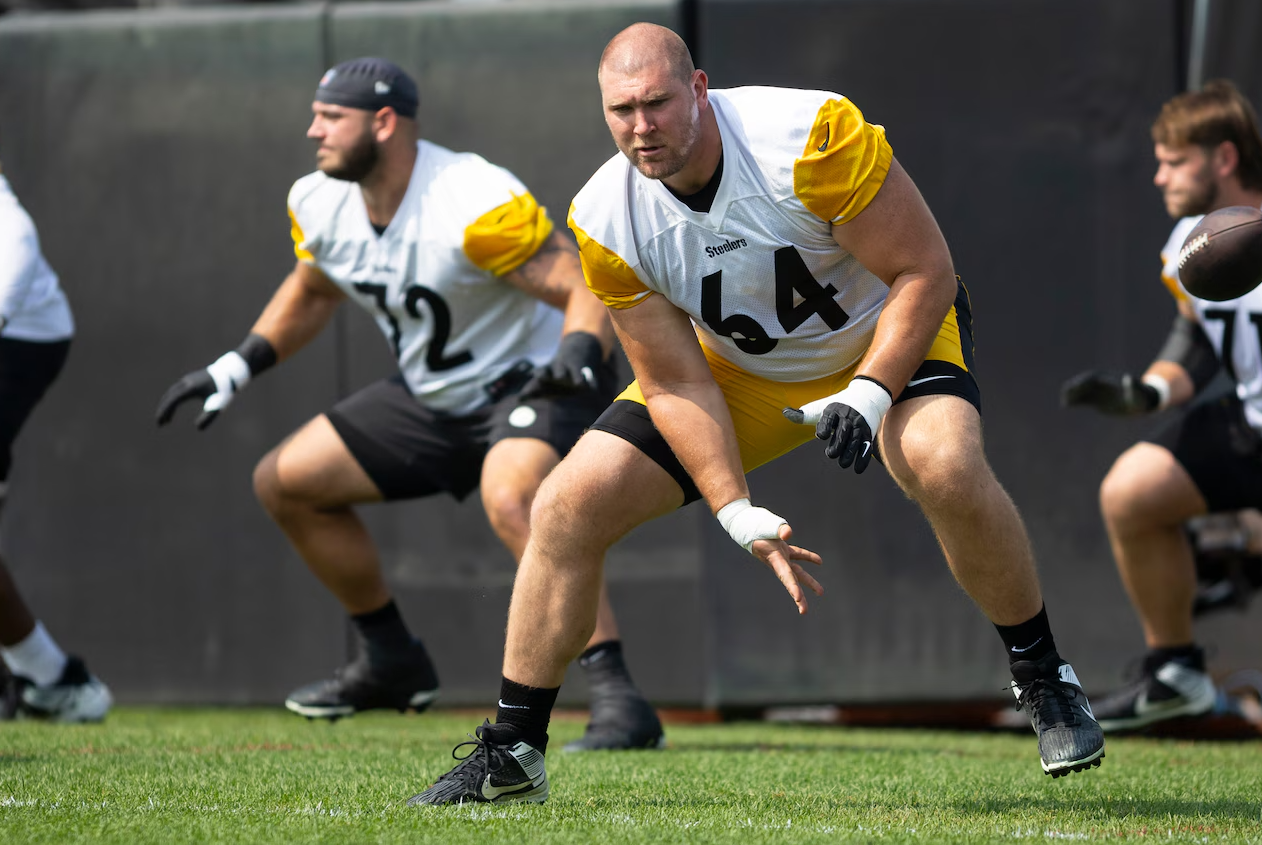
Trading an Elite Safety for an Injured CB & Backup TE - Did Steelers Make the Right Call?
The Pittsburgh Steelers just made one of the most polarizing trades of the offseason, sending All-Pro safety Minkah Fitzpatrick to the Miami Dolphins in exchange for cornerback Jalen Ramsey and tight end Jonnu Smith. On the surface, it's a 2-for-1 deal that adds both experience and depth — but many fans and analysts are asking the same question: Was it worth it?
Context: What the Steelers Gave Up
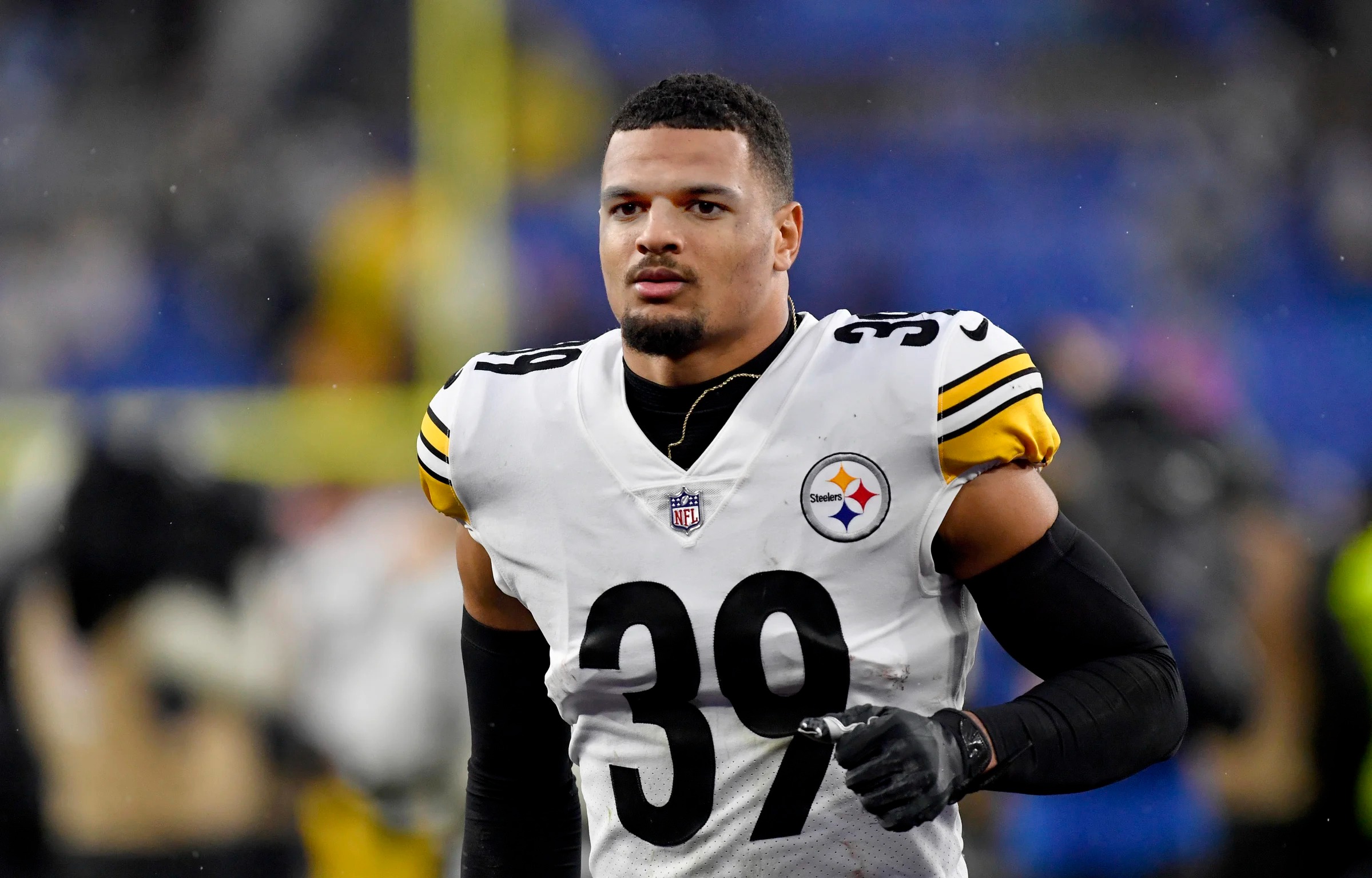
Minkah Fitzpatrick has been the backbone of the Steelers’ secondary since arriving via trade in 2019. A two-time First-Team All-Pro and leader in takeaways, Fitzpatrick was not only elite in coverage but a tone-setter for the entire defense.
Letting him go, especially when the defense already struggled despite having the NFL’s most expensive defensive roster, raised eyebrows across the league.
What They Got: Talent With Big Asterisks
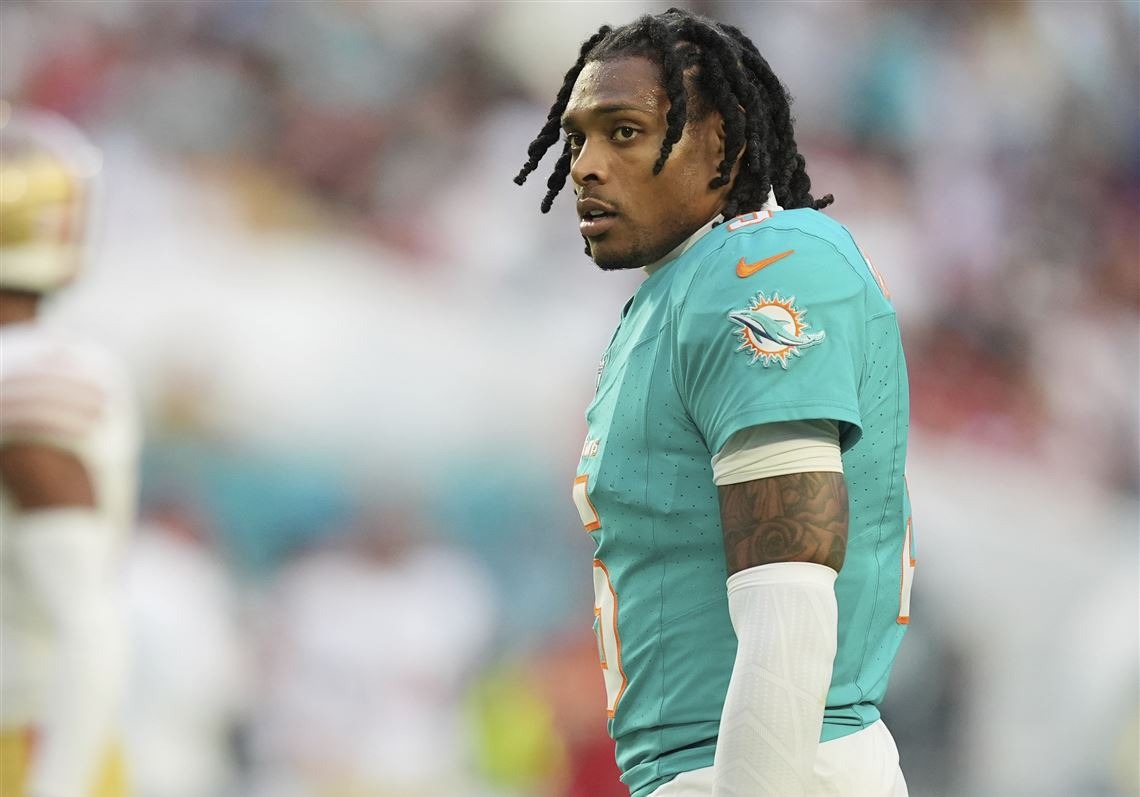
Jalen Ramsey may be a big name, but the 3x All-Pro cornerback hasn’t played a full healthy season since 2021. Now 30 and coming off a torn meniscus, his prime may be behind him. If healthy, he gives Pittsburgh a lockdown presence opposite Joey Porter Jr., but that’s a big “if.”
Jonnu Smith, meanwhile, had his best year in 2020 with the Titans, recording 448 yards and 8 TDs. Since then, he’s bounced around and struggled to become a true TE1. With Pat Freiermuth already in place, his role in Pittsburgh is uncertain.
This trade could free up cap space and give the Steelers some NFL contract flexibility, but at the cost of their most reliable safety.
Bigger Picture: Strategy or Panic?
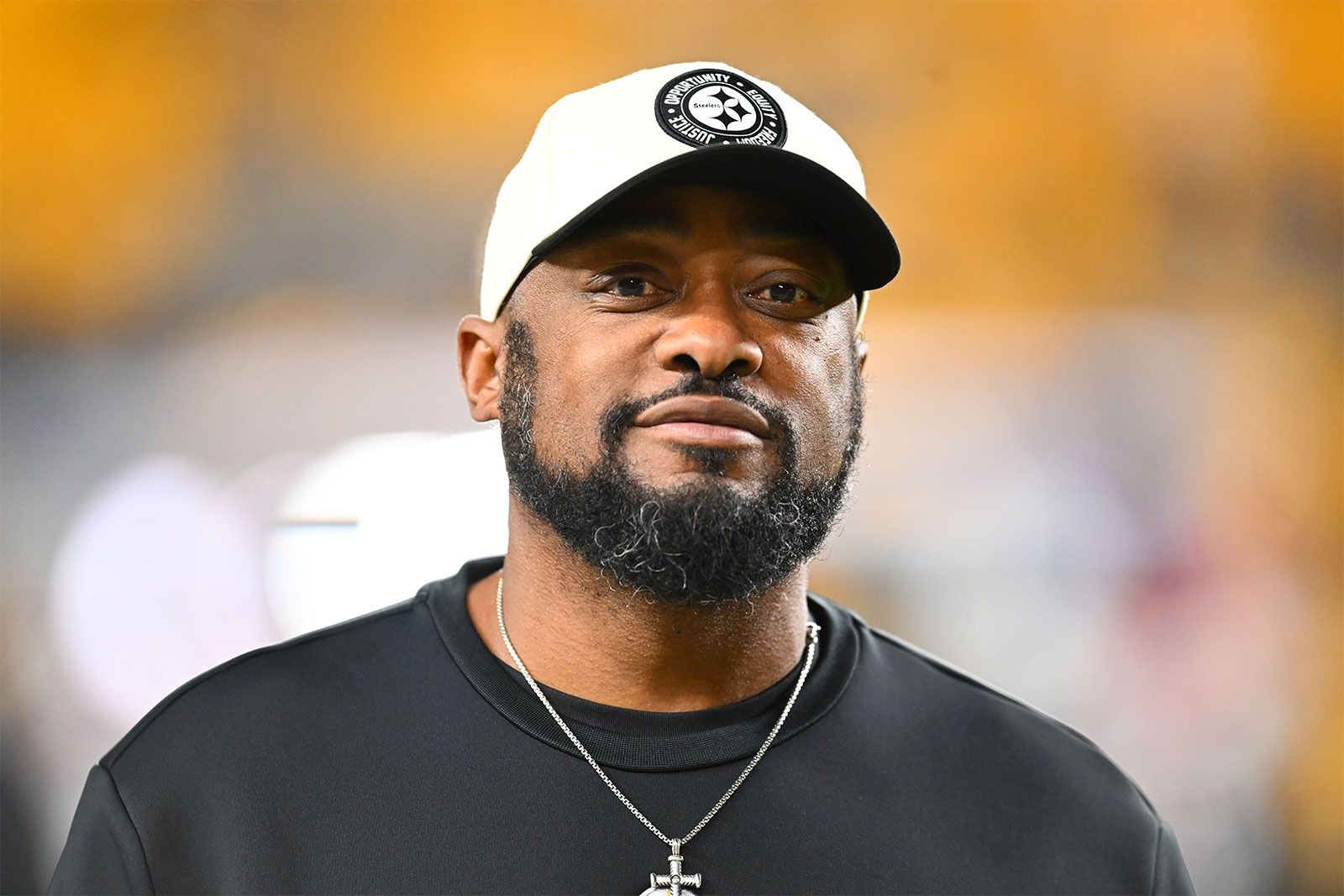
Some insiders believe the Steelers are bracing for a Super Bowl push under Aaron Rodgers and want veterans who can make splash plays now. Ramsey fits that narrative — if he can stay healthy.
Others argue this is simply poor resource allocation. Pittsburgh had needs at cornerback and TE, but did they need to give up their most consistent defender to address them?
Fantasy football fans and bettors will also take note: this trade may slightly boost the team’s NFL Super Bowl odds, but removes a high-floor IDP (individual defensive player) from fantasy rosters.
Final Word
The Steelers may have prioritized name recognition over long-term stability with this deal. Minkah Fitzpatrick was not just a star — he was a pillar. Now, all eyes are on Ramsey and Smith to prove they’re more than just headlines.
Did Pittsburgh win this trade? Or did they just weaken their foundation? Let us know your take below.
More to Read:
-
Steelers’ Defensive Spending Skyrockets — But Are Results There?
Best NFL Betting Apps to Use for Preseason Futures
Fantasy Football Sleepers 2025: Who Benefits From the Minkah Trade?
DraftKings Sign-Up Bonus: Get Ready for Steelers Week 1 Odds
Why the Steelers Are All-In on Aaron Rodgers in 2025
Comments (0)
Loading comments...
May You Like
Coach Mike Tomlin Remove 3 Players for Missing Practice