Shamarko Thomas Explains How ‘Mentor’ Troy Polamalu Helped Save His Life After Football
Life after football isn’t easy for every former player — and for Shamarko Thomas, it nearly broke him. But in a recent candid interview, the former Pittsburgh Steelers safety revealed how one teammate — Hall of Famer Troy Polamalu — pulled him from the brink.
After retiring from the NFL, Thomas admitted he faced overwhelming mental and emotional struggles. Without the structure, camaraderie, and routine of pro football, his life spiraled. At one point, he confessed, "I didn’t know if I wanted to be here anymore."
A Call That Changed Everything
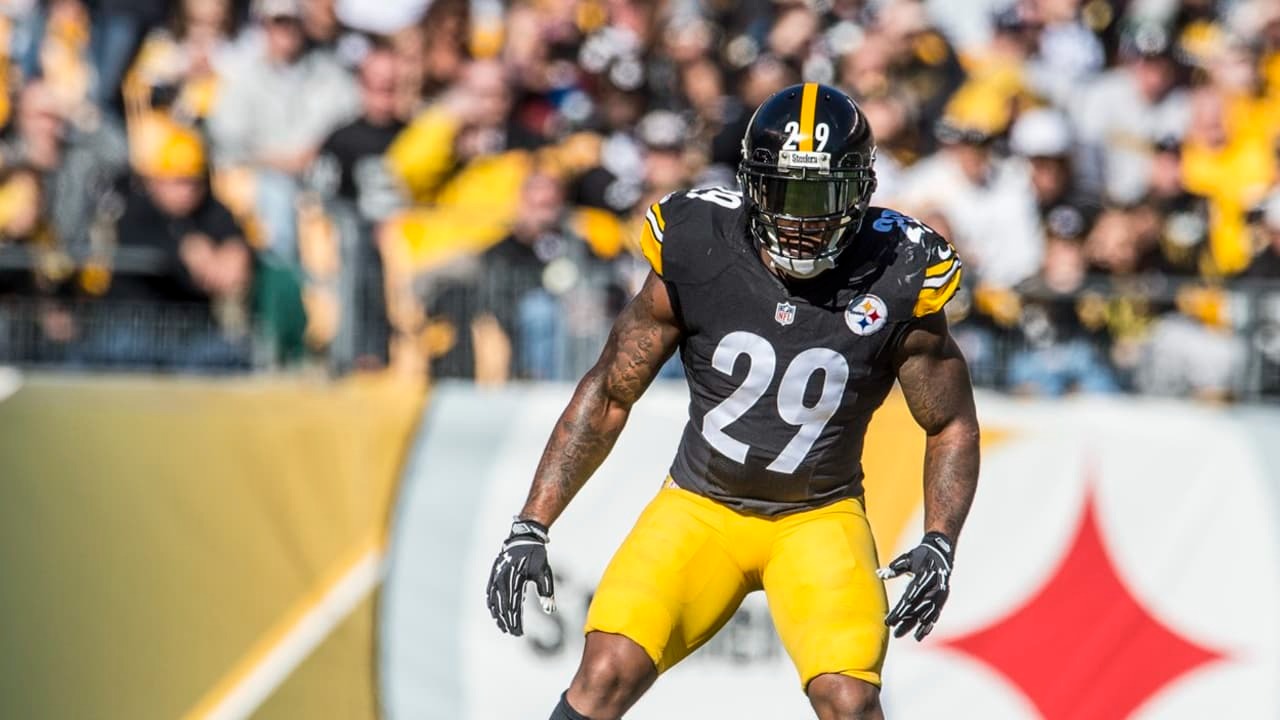
Just as Thomas felt he had nowhere left to turn, his phone rang. It was Troy Polamalu.
“Troy called and just said, ‘I love you. I’m here if you need anything,’” Thomas recalled. “That saved my life.”
The two had built a bond during Thomas’s early years in Pittsburgh, with Polamalu serving as both mentor and role model. But even after retirement, Troy continued checking in — offering spiritual guidance, emotional support, and the simple, steady presence of someone who cared.
Life Beyond the NFL
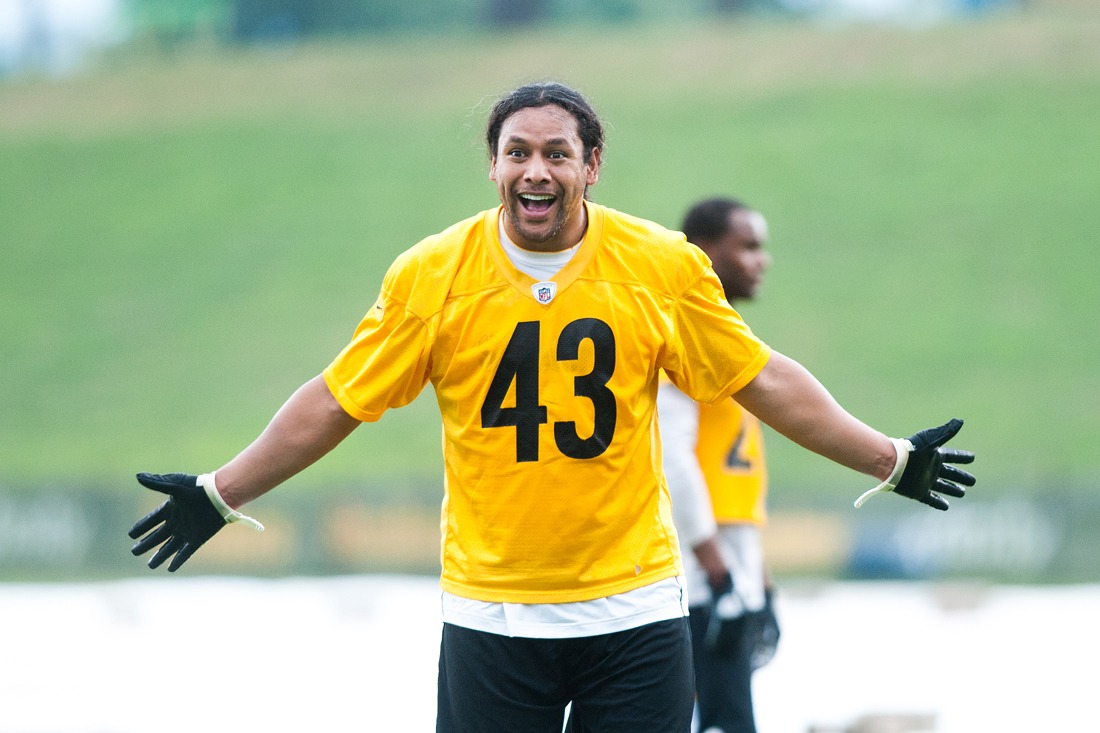
Thomas now uses his experience to speak out about the mental health challenges players face after their careers end. He hopes his story — and Polamalu’s quiet heroism — will help other athletes find light in dark moments.
He credits Troy not just with his football development, but with showing what it means to be a man of faith, humility, and love.
“Troy showed me how to be more than a football player,” Thomas said. “He taught me how to be a human being.”
Why This Matters
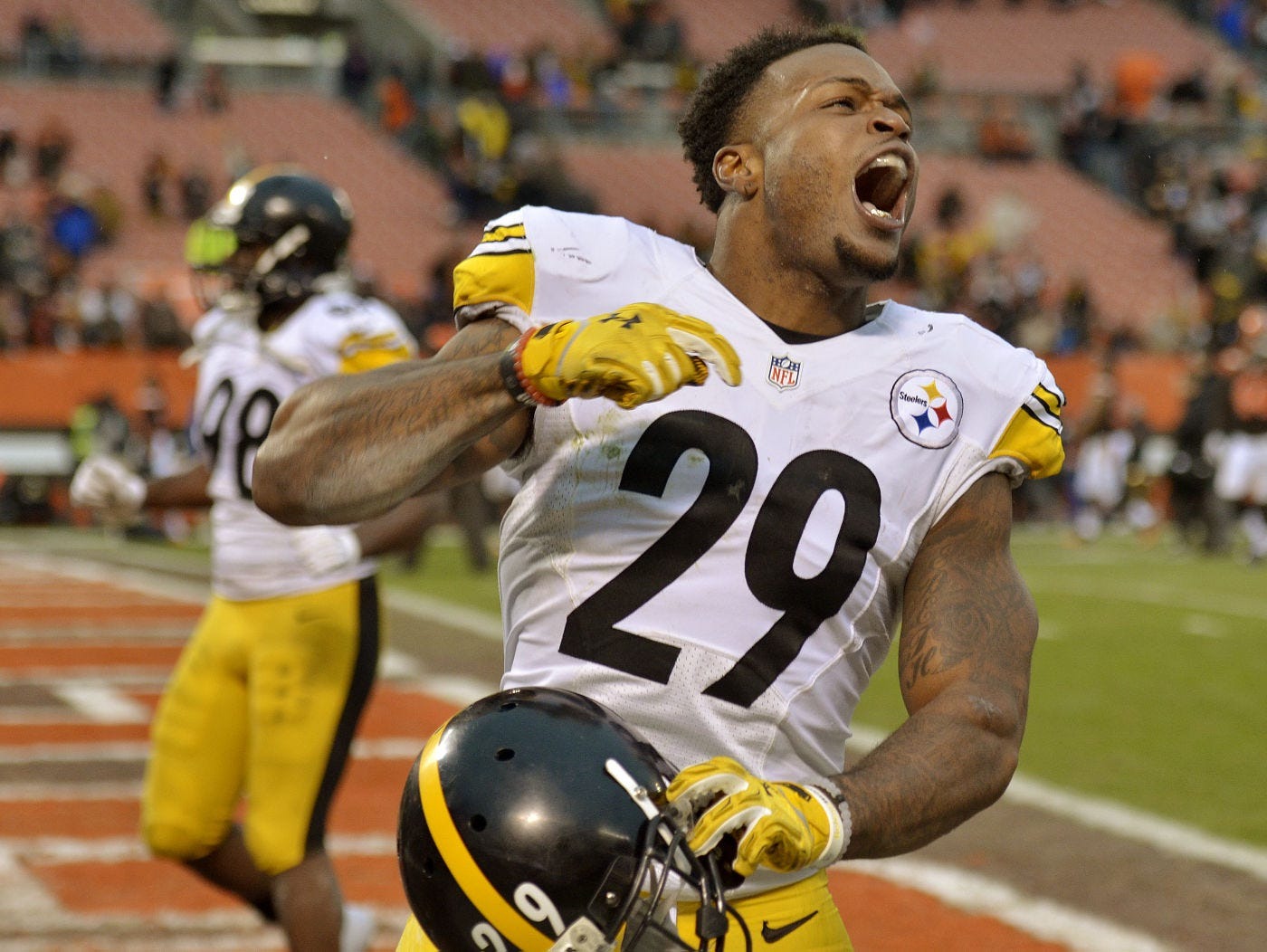
The NFL often highlights player toughness and athleticism — but stories like this shed light on the emotional toll of the game. Polamalu’s behind-the-scenes influence reflects a deeper brotherhood among athletes that goes beyond the field.
In an era where mental health awareness is rising, Thomas’s testimony is a powerful reminder: sometimes, a single phone call can save a life.
More to Read:
-
NFL Stars Who Quietly Mentor Young Players After Retirement
Life After the NFL: Coping With Transition and Identity Loss
Best Mental Health Resources for Former Athletes
Comments (0)
Loading comments...
May You Like
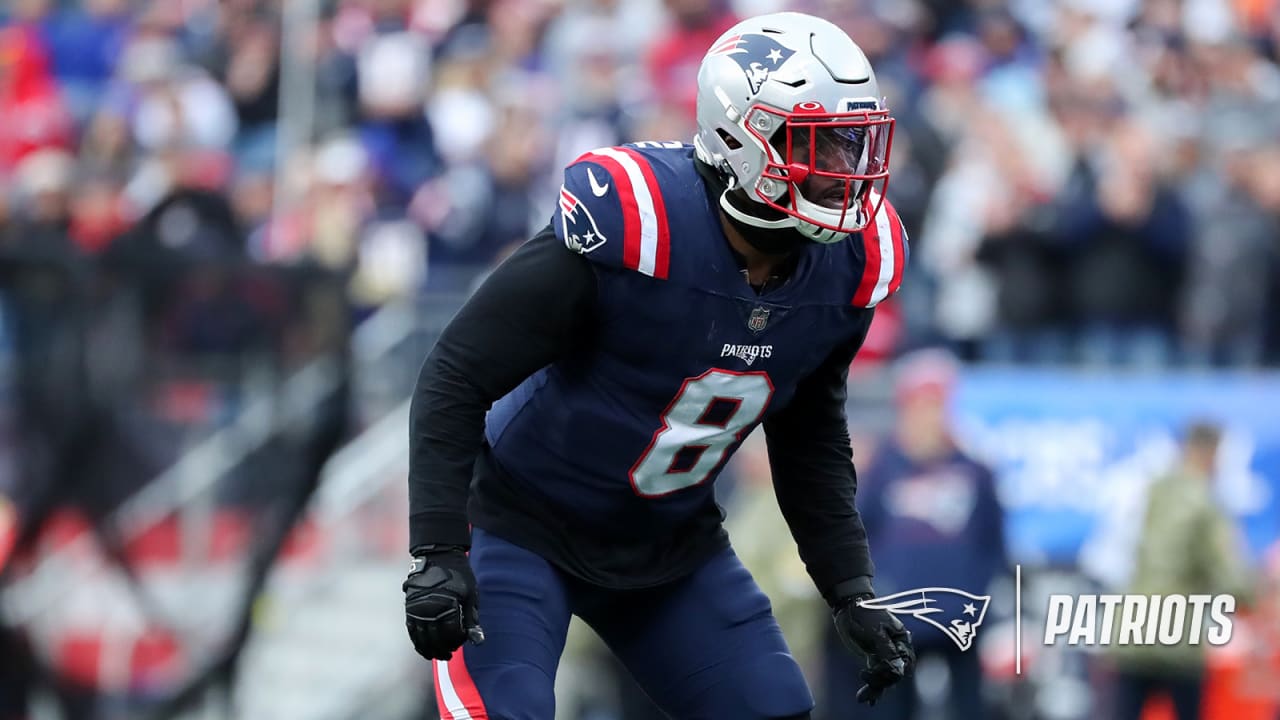
New England Defensive Star Returns, Patriots Ready to Defeat Steelers in Week 3 NFL Game at Gillette