Jason Kelce Hits Back at Terry Pegula Over Controversial Tush Push Claim
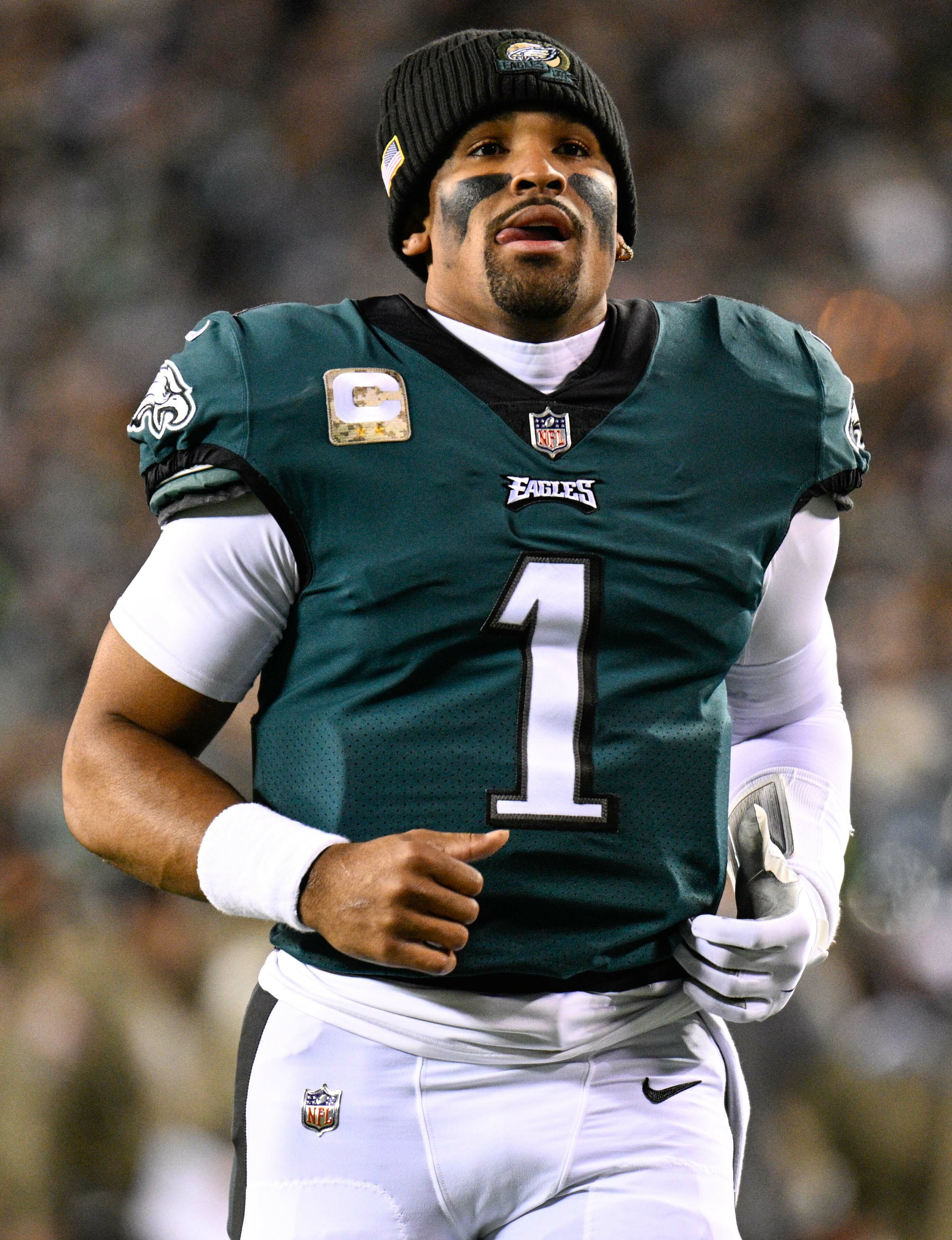
Imagine a play so dominant it’s debated like the infield fly rule in baseball or the legality of the Fosbury Flop in track. That’s the NFL’s Tush Push—Philadelphia Eagles’ not-so-secret weapon—now at the heart of a league-wide controversy. And Jason Kelce, the Eagles’ retired ironman center, isn’t letting critics turn his legacy into a punchline.
The drama escalated during March’s league meetings when Buffalo Bills owner Terry Pegula quipped that Kelce retired due to the Tush Push’s “wear and tear.” Kelce, who once called the Tush Push “a grueling play, for sure,” wasn’t having it. In April, he fired back on X:
“I think the good gentleman from Buffalo seems to have misunderstood my meaning of the word grueling. I have never called the play dangerous.”
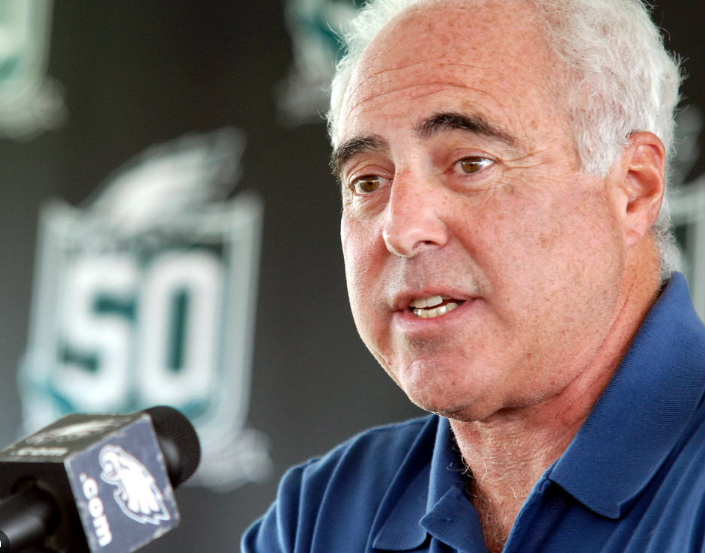
Now, after joining Jeffrey Lurie to successfully defend the play, Kelce has reaffirmed his stance.
“If anyone has questions about the Tush Push or whether I retired because of the Tush Push—I’ll tell you right now. I’ll come out of retirement today if you tell me all I have to do is run 80 Tush Pushes to play in the NFL,” he shot back on his New Heights podcast. “It’ll be the easiest job in the world.” Meanwhile, Pegula’s jab wasn’t just personal—it was strategic.
Kelce vs. Pegula: A Battle of Narratives
The Bills, second only to Philly in Tush Push usage, surprisingly pushed to ban it. Kelce, however, stormed the owners’ meetings like a linebacker, debunking claims that the play forced his retirement. The Philly contingent argued there’s no data suggesting it’s unsafe, citing the Eagles’ 87% success rate since 2022.
Kelce’s presence swayed undecided owners, with Pittsburgh Steelers president Art Rooney II admitting, “[It] is a safe play, not something we need to worry about that much.”
The vote to ban failed 22-10, two short of the required margin. But Pegula had framed Kelce’s “grueling” podcast comments as evidence of danger. Even JJ Watt supported Pegula, tweeting, “If we take everything that ‘sucks’ and is ‘grueling’ out of sports, there ain’t gonna be much left…”
Why This Fight Matters for Philly
For the Eagles, keeping the Tush Push isn’t just about strategy—it’s identity. The play fueled their 2024 Super Bowl run, becoming as Philly as a soft pretzel stand. Banning it would have stripped their edge, akin to outlawing the 1985 Bears’ 46 Defense. Kelce’s advocacy preserved their legacy, but scrutiny persists.
“The play sucks to run, but it sucks because of exertion. It’s not going to be a play, in my opinion, where you’re going to see this huge increase in risk of injury,” Kelce said. His rebuttal also protects future centers from unwarranted blame. His stats—zero Tush Push-related injuries in 13 seasons—debunk safety myths. Yet, the league’s May revisit looms. Will owners target the play again, or will Kelce’s defense hold firm like concrete at the Linc?
Comments (0)
Loading comments...
May You Like