Chiefs Issue Ultimatum to Second-Round Rookie: Sign or Be Out
June 24, 2025, Kansas City, MO – The Kansas City Chiefs have drawn a hard line with their 2025 NFL Draft second-round pick, defensive tackle Omarr Norman-Lott, issuing an ultimatum: sign the rookie contract or risk being sidelined. The standoff, brewing since the draft, has reached a boiling point as training camp looms.
Norman-Lott, selected 63rd overall from Tennessee, remains the lone unsigned member of the Chiefs’ draft class. The delay stems from a new trend among second-round picks demanding fully guaranteed contracts—a shift sparked by deals for players like Jayden Higgins (Houston Texans) and Carson Schwesinger (Cleveland Browns). Norman-Lott’s camp is reportedly pushing for similar terms, but the Chiefs, led by GM Brett Veach, are resisting, citing cap constraints after a busy offseason.
“Time’s running out,” a source close to the team hinted, suggesting the Chiefs are prepared to move on if Norman-Lott doesn’t ink the deal soon. His projected four-year, $7.2 million contract, including a $1.87 million signing bonus, aligns with the slotted rookie scale, but the guaranteed-money demand has stalled talks. The team’s patience wears thin as they eye a Super Bowl defense reliant on a bolstered line.
Norman-Lott’s potential is undeniable. His 18.9% pass-rush win rate and 9.5 sacks over two seasons at Tennessee make him a steal, especially alongside Chris Jones. Yet, his limited college snaps (225 in 2024) and injury history raise questions about the investment. Fans are split—some see a future star, others a risky holdout.
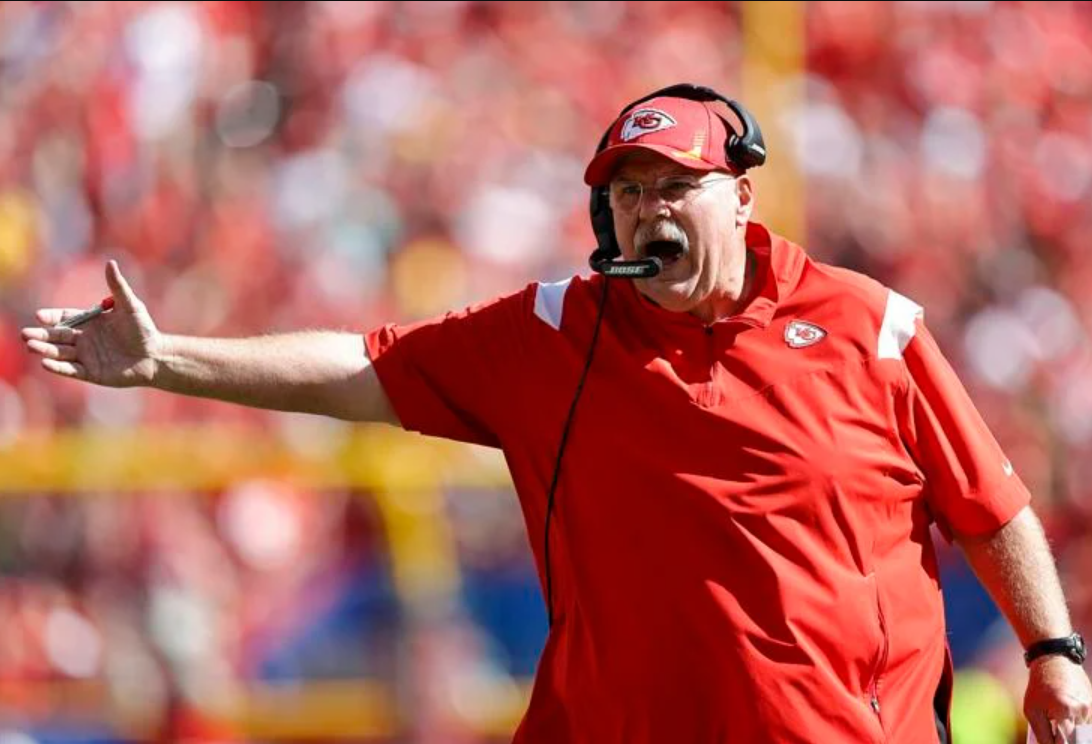
Head coach Andy Reid downplayed the drama, saying, “We’re working it out,” but the clock is ticking. If Norman-Lott holds firm, he could sit out 2025 and re-enter the 2026 draft, a gamble that might backfire. For now, the Chiefs are signaling they won’t bend easily, betting on depth from veterans like Mike Pennel Jr. to fill the gap.
As the season opener nears, this saga could reshape the Chiefs’ defensive plans. Will Norman-Lott sign, or will the Chiefs call his bluff? Stay tuned to ESPN for the latest twists
Comments (0)
Loading comments...
May You Like